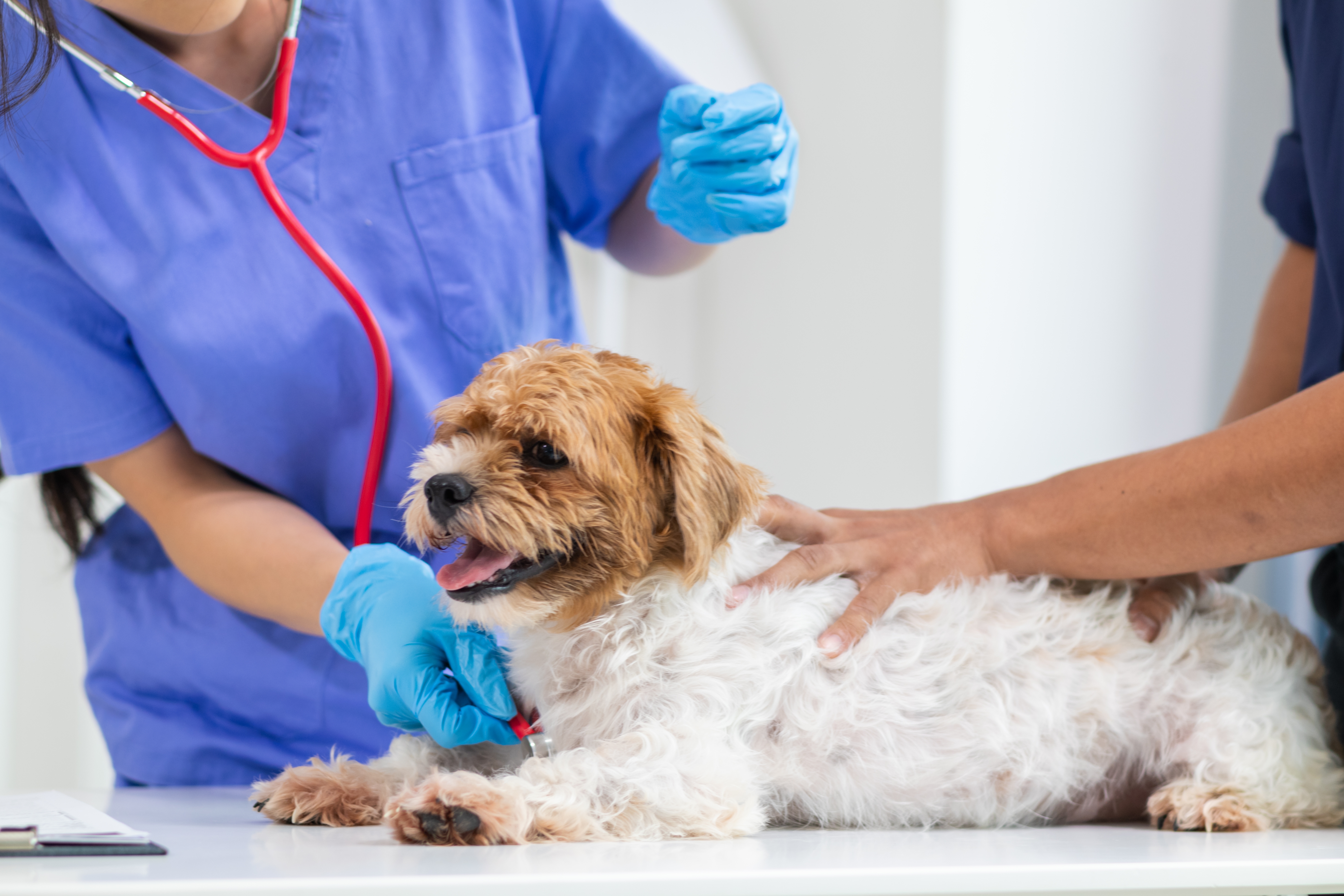
Vomiting and diarrhea are common problems in dogs and cats, and an occasional mild episode does not always signal an emergency. However, digestive symptoms can also be associated with poisoning, intestinal blockages, infections, pancreatitis, and other conditions that require prompt veterinary care. For pet owners in Bozeman, knowing when to call a veterinarian can help prevent a potentially serious condition from getting worse.
When Vomiting or Diarrhea May Be an Emergency
The severity of your pet's symptoms matters, but their overall behavior is just as important. A dog or cat that has one episode of vomiting or loose stool but continues eating, drinking, and behaving normally may not need emergency treatment. Repeated episodes or additional symptoms should be taken more seriously.
Contact a veterinarian promptly if your pet has:
- Repeated vomiting or frequent, severe diarrhea
- Blood in vomit or stool, or dark, tar-like stool
- Difficulty keeping water down
- Extreme lethargy, weakness, collapse, or unusual behavior
- A swollen or painful abdomen, especially with repeated attempts to vomit
- Signs of dehydration, such as dry or tacky gums
- Possible exposure to a toxin, medication, spoiled food, or foreign object
- Vomiting and diarrhea occurring together and worsening quickly
Young puppies and kittens, senior pets, and animals with existing health conditions can become dehydrated or seriously ill more quickly. It is often best to contact your Bozeman veterinarian sooner when these pets develop gastrointestinal symptoms.
Why Repeated Vomiting Deserves Attention
Vomiting may occur after a pet eats too quickly or consumes something that does not agree with them. Persistent vomiting, however, can indicate a more significant problem.
Foreign objects are one concern, particularly in dogs that chew toys, clothing, bones, or other household items. An intestinal obstruction can prevent food and fluid from moving normally through the digestive tract and may require urgent treatment. Toxic substances and certain illnesses can also cause sudden, severe vomiting.
When Diarrhea Becomes More Concerning
A single soft stool may resolve without treatment, especially if your pet otherwise appears comfortable and active. Diarrhea becomes more concerning when it is frequent, watery, bloody, or lasts longer than expected.
Ongoing diarrhea can cause significant fluid loss. If your pet stops eating or drinking, begins vomiting, becomes weak, or seems painful, a veterinary examination should not be delayed.
What To Do Before Your Veterinary Visit
If your pet is sick, avoid giving human medications unless your veterinarian specifically recommends them. Some common medications can be dangerous for dogs and cats.
Make note of when the symptoms began, how many times your pet has vomited or had diarrhea, and whether you noticed blood or unusual material. If you suspect your pet ate something harmful, tell your veterinary team what was consumed and approximately when. This information can help us determine the appropriate next steps.
Emergency And Urgent Veterinary Care In Bozeman
At Montana Veterinary Hospital & Boarding, we provide emergency and urgent veterinary care for pets in Bozeman when unexpected illnesses and injuries arise. If your pet is experiencing persistent vomiting, severe diarrhea, or other concerning symptoms, calling promptly allows our team to advise you based on the situation.
If you are concerned about vomiting or diarrhea in your pet, contact Montana Veterinary Hospital & Boarding in Bozeman, MT at (406) 586-2019 for veterinary guidance and care.